Attendance
For safety reasons, all visitors must check in at the principal’s office upon entering the building and receive a visitor’s pass. Anyone in the building without a pass will be asked to go to the office to obtain one. No one can go directly to classrooms. If a student is being picked up, adults must stay in the designated area and the student will meet you there. Students must be signed out and picked up at the office by an adult.
A. School Hours: Elementary School
- Children walking to school should arrive no earlier than 8:55AM (unless eating breakfast) at the Elementary School.
- Breakfast program participants may arrive at 8:45AM. There is no supervision before the above times.
- The student must have a pass from a teacher to enter a classroom before 8:55AM.
B. School Hours: Middle School/High School
- Arrive no earlier than 7:15AM.
C. Late Arrival / Early Dismissal
- For individual late arrival and/or early dismissal, parents must sign out their child in the designated area (Main office or Nurse’s office) and state the reason for late arrival and/or early dismissal.
- When possible, parents should inform the school if their child will be arriving late due to an appointment.
- An adult must sign-in late entrants at the designated area (Principal’s office or Nurse’s office).
- Chronic late arrivals and/or early dismissals will result in a mandatory conference with the classroom teacher and principal.
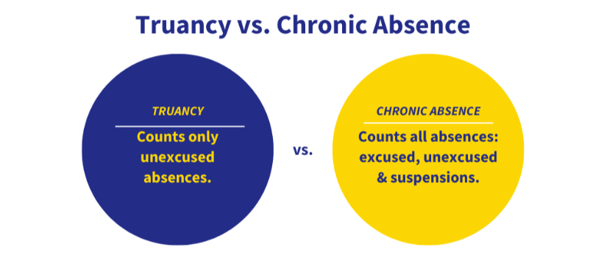
D. Why Attendance Matters
- Going to school every day is important for learning.
- When students miss school, they miss out on learning new things.
- Consistent attendance builds important life skills.
- Regular attendance helps students develop social skills and build relationships.
- Good attendance sets a positive habit for life
E. Responsibilities
- Parents are responsible to make sure students come to school on time and are prepared to learn
- Students are responsible to attend class, participate and apply themselves to their studies.
- Principal and teachers are responsible to encourage and track attendance and communicate concerns to parents and students.
F. Absences and Late Arrivals:
- If you miss school or arrive late, you need a written excuse—even if you’ve already told the nurse.
- Keep your emergency contact information up to date in the health office.
- The school nurse will take care of students temporarily if they are sick or injured.
- In serious situations, we’ll notify parents/caretakers and call 911.
-
G. Medications:
- Only the school nurse can give students medicine (even cough drops).
- Bring medicine with the prescription label and a note from doctors
- An adult should bring medicine with the prescription and label on it as well as a doctor’s note to school—students should not bring medications to school.
- Students should not take medications on their own. This means that there is no self-medicating allowed in school.
H. Types of Absences
| Type of Absence | Examples (Not All-Inclusive) | Other Information |
| Excused |
|
|
| Unexcused |
|
|
| All absences require a written excuse from a parent explaining why the student was absent or tardy. The excuse is required the day the student returns to school. If the student doesn’t have an excuse, the school might investigate the absence. If no excuse is provided, the absence will be marked as unexcused on school records. | ||